Introduction
Retaining walls have ended up being a staple in modern landscaping and civil engineering. They serve not only practical purposes however likewise include aesthetic value to properties. Whether you're dealing with sloped terrains or looking for to improve your outside visual appeals, the need for a robust retaining wall setup can not be overemphasized. In this short article, we will delve deeply into the intricacies of retaining wall setup, making sure durability and security. From understanding different products such as timber sleeper and concrete sleeper to checking out professional installation methods, we have actually got you covered.
Retaining Wall Setup: Guaranteeing Longevity and Safety
When it concerns retaining wall installation, ensuring longevity and safety is vital. A well-constructed retaining wall can hold up against the pressures of soil and water disintegration while offering stability to your landscape. However how do you accomplish this? The response depends on precise planning, quality materials, and professional expertise.
A retaining wall not just supports soil however also can prevent soil disintegration, handle water overflow, and produce usable flat spaces in sloped areas. However, incorrect setup can lead to disastrous failures, such as landslides or structural damage. Thus, purchasing professional services is crucial.
Understanding Retaining Walls
What is a Keeping Wall?
A retaining wall is a structure designed to keep back soil and stabilize slopes. These walls are typically constructed utilizing various materials like stone, brick, concrete blocks, timber sleepers, and even steel H beams.
Why are Keeping Walls Important?
- Preventing Disintegration: Retaining walls play a vital function in managing soil disintegration triggered by rain or water runoff. Creating Functional Space: They enable property owners to make use of sloped land for gardens or patios. Safety: By supporting slopes, they decrease the danger of landslides that could endanger lives.
Types of Keeping Walls
1. Gravity Walls
Gravity walls rely on their weight to withstand the pressures from behind. Generally made from heavy products like concrete or stone, they're robust yet need https://zenwriting.net/kanyonurmp/professional-insights-what-makes-a-great-retaining-wall-builder sufficient drain behind them.
2. Cantilevered Walls
These walls use leverage to counteract pressure from the retained soil by extending into the soil below them. They typically use enhanced concrete for included strength.
3. Sheet Stack Walls
Made from steel (H beam) or wood (timber sleeper), sheet stack walls are driven into the ground and work well in soft soil conditions where other types may fail.
4. Anchored Walls
These integrate anchors drilled into the rock or soil behind them for additional assistance versus lateral pressure.
Choosing the Right Product for Your Maintaining Wall
Timber Sleeper Walls
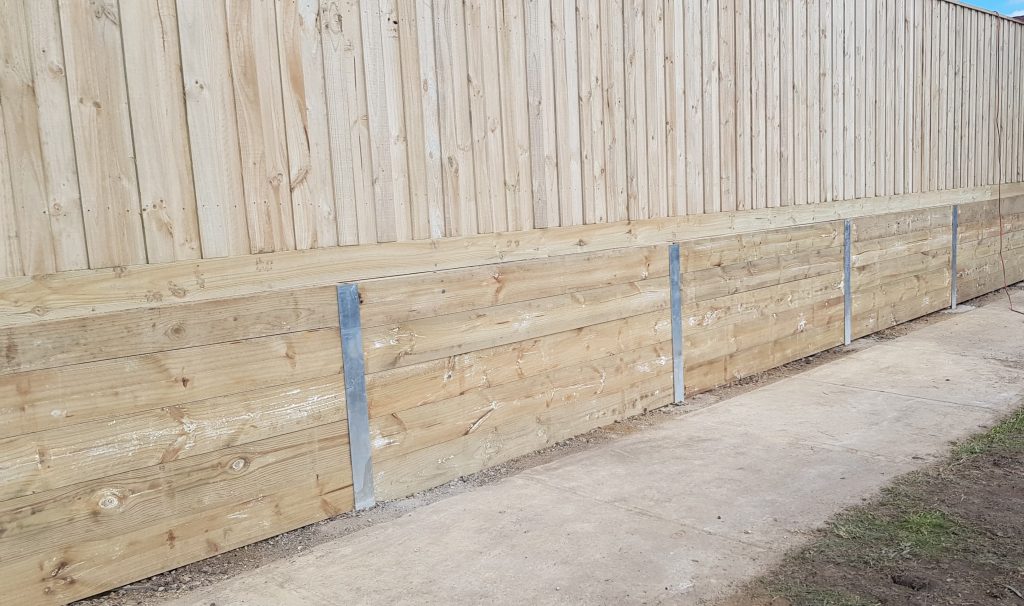
Timber sleeper walls are a cost-effective choice for residential tasks; however, they may not last as long as other products unless appropriately treated against rot.
- Pros: Cost-effective. Aesthetically pleasing with a natural look. Cons: Susceptible to decay if untreated. Limited life-span compared to concrete options.
Concrete Sleeper Walls
Concrete sleeper walls use durability and strength that wood just can not match.
- Pros: Highly durable; resistant to rot. Can deal with considerable loads without failure. Cons: Higher in advance expenses compared to lumber options. Requires experienced labor for correct installation.
Professional vs do it yourself Setup: What Must You Choose?
While it might be tempting to tackle a retaining wall project yourself, employing professionals ensures security and quality craftsmanship. Here's why:
- Expertise: Specialists understand local codes and regulations better than many DIYers. Tools & Equipment: Specialized tools make installation easier and more precise.
FAQ: Why hire professionals for retaining wall installations?
Hiring experts conserves time and guarantees quality workmanship that fulfills safety standards.
The Installation Process: Detailed Guide
1. Planning Your Project
- Assess your land's slope degree. Determine suitable products (timber sleeper vs concrete sleeper). Check local zoning laws regarding height limits.
2. Creating Your Wall
- Sketch out your design including height and length. Consider drainage options from the outset.
3. Preparing the Site
- Clear any vegetation or particles from your worksite. Mark out where your wall will sit utilizing stakes and string lines.
4. Digging the Foundation
- Excavate a trench deep enough (generally about one-third of your wall height). Ensure it's level; irregular bases can lead to structural problems down the line.
5. Setting Up Drain Solutions
- Proper drainage is important in avoiding hydrostatic pressure behind your wall which could result in failure over time.
6. Building Your Wall
- Start putting down your selected product-- whether it's timber sleepers stacked horizontally or concrete obstructs arranged vertically. Use mortar in between layers if dealing with concrete blocks for improved strength.
Maintenance Tips for Longevity
Even after setup, keeping your retaining wall guarantees its durability:
Regularly check for fractures or indications of wear. Clean any debris blocking drainage holes or weep holes. Monitor plant development near the base; roots can destabilize structures over time.Common Issues with Retaining Walls
Despite mindful planning and execution, issues can develop:
FAQs About Retaining Wall Installation
Q1: For how long does it take to install a keeping wall?
A1: Depending on size and complexity, it can take anywhere from a couple of days up to a number of weeks for professional installations.
Q2: What is the lifespan of a timber sleeper keeping wall?
A2: Correctly dealt with timber can last around 15-- 20 years; neglected timber may last considerably shorter.
Q3: Exist particular building regulations I require to follow?
A3: Yes! Local building codes regulate different elements consisting of height constraints so always inspect before beginning construction.
Q4: Can I construct a retaining wall myself?
A4: While possible for knowledgeable DIYers, employing professionals is typically advised due to complexities involved.
Q5: Do I need licenses for my maintaining wall?
A5: Many locations need authorizations particularly if exceeding specific heights-- consult local authorities beforehand!
Q6: How do I pick between timber sleeper and concrete sleeper?
A6: Think about spending plan restrictions versus preferred durability; wood is less expensive however less resilient compared to concrete options.
Conclusion
In conclusion, understanding how vital correct retention systems operate within landscapes can not be understated when thinking about tasks including hillsides or slopes! Whether going with timber sleepers or solid cinder block-- taking some time throughout both preparing phases AND implementation guarantees long lasting outcomes that stand against nature's aspects while improving residential or commercial property appeal! Investing in professional services will ultimately save headaches down-the-line-- not just financially-- however likewise concerning safety concerns associated with inadequately developed structures! Keep in mind ... durability isn't merely about selecting ideal materials-- it involves thorough foundation too!
This detailed guide has focused on addressing all your burning questions surrounding "Retaining Wall Installation: Making Sure Longevity and Security." So whether you're taking a look at boosting curb appeal in your backyard garden or stabilizing high slopes-- you now have an arsenal of knowledge prepared at hand!