Introduction
In the vibrant and often unforeseeable climate of Melbourne, many homeowners find themselves coming to grips with the obstacles of uneven surface and soil erosion. This is where keeping walls come into play. Not only do they serve a useful function by preventing soil disintegration, but they also enhance the aesthetic appeal of your property. However how does one set about installing a retaining wall? In this thorough guide, we will explore The Step-by-Step Process of Successful Retaining Wall Installation in Melbourne, exploring whatever from initial preparation to last touches.
Understanding Keeping Walls
What Are Keeping Walls?
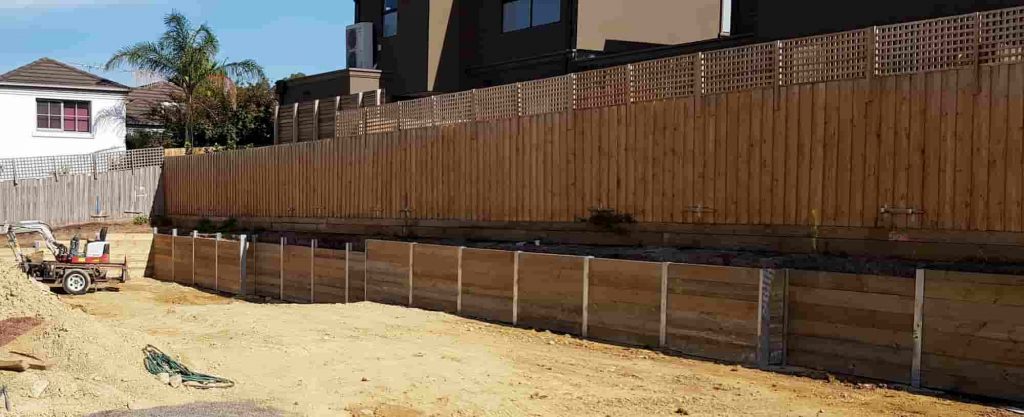
Retaining walls are structures developed to keep back soil and rock from unnatural slopes. They can be made from various products such as wood, concrete, brick, or stone. The primary function is to avoid soil erosion and to produce flat locations for landscaping or building.
Why Do You Required a Maintaining Wall?
There are many reasons that somebody might consider installing a retaining wall:
- Prevent Soil Erosion Create Usable Land Space Improve Visual Appeal Increase Residential or commercial property Value
Types of Retaining Walls
When it pertains to picking a retaining wall type, you'll generally come across:
Timber Sleeper Retaining Wall Concrete Sleeper Retaining Wall Brick Keeping Wall Stone Maintaining WallEach has its distinct advantages and suitability based on your particular needs.
The Step-by-Step Process of Effective Retaining Wall Setup in Melbourne
Step 1: Initial Planning and Design
Before you even think about getting a shovel, you require to prepare.
Assessing Your Site
Begin by evaluating your website's topography and drainage patterns. Watch out for possible issues that could impact your installation procedure later on on.
Design Considerations
Consider factors like height, materials, and purpose. Will it be simply practical or do you want it to enhance your landscape?
Step 2: Employing a Professional Contractor
Choosing the Right Retaining Wall Specialist Melbourne
Hiring an experienced retaining wall specialist can conserve you time and aggravation. You'll desire someone who knows regional regulations, understands soil enters Melbourne, and has experience with different materials.
Questions to Ask Your Contractor
- What is your experience with retaining wall installation? Can you offer recommendations or examples of past work? What guarantees do you offer?
Step 3: Getting Necessary Permits
Before starting any building operate https://rentry.co/8935wamy in Melbourne, check if you need a license. Local regulations can vary significantly based upon where you live.
Materials for Your New Retaining Wall
Timber Sleeper Retaining Walls
Timber walls are visually attractive but may need more upkeep in time due to rot or insect damage.
Benefits:
- Cost-effective Easy to install
Concrete Sleeper Retaining Walls
These walls offer resilience and low upkeep requirements.
Benefits:
- Long lifespan Resistant to rot
Brick Maintaining Walls
Bricks provide a timeless appearance that complements different landscaping styles.
Benefits:
- Aesthetically pleasing Strong structure
Stone Retaining Walls
Natural stone provides unrivaled beauty but can be labor-intensive during installation.
Benefits:
- Unique appearance Highly durable
The Setup Process Explained in Detail
Step 4: Preparing the Site for Installation
Once you have actually chosen the best products and secured authorizations, it's time to prepare the site.
Clearing the Area
Remove any vegetation or particles from the area where the wall will be built.
Digging Trenches
You will need to dig trenches deep enough to accommodate your selected products while ensuring appropriate drain behind the wall.
Step 5: Building Your Foundation
A solid foundation is essential for any retaining wall's longevity.
Installing Gravel Base
Lay down gravel at the bottom of your trench for drainage purposes-- this step helps in reducing hydrostatic pressure behind the wall.
Constructing Your Retaining Wall Structure
Step 6: Laying First Course of Blocks or Timbers
Start laying your first course level with careful attention paid to alignment and levelness using a string line or laser level.
Step 7: Including Extra Courses
Continue including courses according to your style strategy while making sure that each course is staggered for strength.
Finishing Discusses Your New Wall
Step 8: Backfilling Behind the Wall
Once installed, backfill with gravel or soil while taking care not to interrupt your freshly put blocks or timbers.
FAQs about Retaining Walls
li20/ol2/li21li21/ol3li22# How long does it take to set up a keeping wall?- Typically, setup can take in between one day to two weeks depending upon size and complexity.
- Generally under one meter; speak with regional laws for specifics.
- Yes! Correct drain prevents water accumulation which might result in failure over time.
Conclusion
Installing a retaining wall is no small task-- it needs cautious planning, execution, and expertise. By understanding each step described in this guide about The Step-by-Step Process of Successful Retaining Wall Installation in Melbourne, you'll be well-equipped to tackle this job whether you're considering working with a retaining wall contractor or starting a do it yourself adventure. In either case, investing time upfront will pay off by producing an enduring structure that improves both performance and aesthetic appeals on your property!